

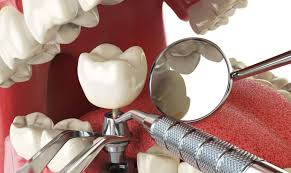
For decades, the mention of wisdom tooth extraction has conjured up images of severe facial swelling, painful recovery periods, and general dental anxiety. However, the landscape of oral surgery has undergone a quiet but profound revolution over recent years. Driven by rapid advancements in medical technology, the process of removing third molars has transitioned from a blunt surgical necessity into a highly precise, predictable, and remarkably comfortable patient experience.
From the initial consultation to the final days of tissue healing, cutting-edge tools are completely redefining what patients can expect when managing their oral health. Here is how modern dental science is transforming the way we approach wisdom tooth removal and recovery across the country.
The Power of Three-Dimensional Diagnostics
The oldest and most persistent hurdle in oral surgery was the limitation of two-dimensional diagnostic imagery. Traditional panoramic X-rays offer a flat view of a highly complex, curved three-dimensional anatomical space. Because wisdom teeth often develop deep within the jawbone and in close proximity to major facial nerves, a flat image meant surgeons occasionally had to rely on educated estimations regarding the exact depth, curvature, and positioning of the roots.
Today, state-of-the-art clinics utilise Cone Beam Computed Tomography (CBCT). This technology generates a highly detailed, high-resolution 3D model of the patient’s complete oral and maxillofacial structures within a matter of seconds. By providing an unobstructed, multi-angle view of the precise relationship between the tooth roots and the mandibular nerve canal, clinicians can map out an incredibly precise surgical path before the procedure even begins. This level of advanced digital imaging is transforming wisdom tooth removal procedures across the country, significantly reducing the risk of permanent nerve injury and allowing practitioners to make much smaller, less invasive entry points.
Ultrasonic Surgery and Minimally Invasive Techniques
Once the surgical phase begins, the physical tools being deployed are miles ahead of the traditional high-speed mechanical drills of the past. One of the most significant breakthroughs in bone surgery is the introduction of Piezosurgery. This specialized technique uses micro-vibrations at an ultrasonic frequency to meticulously cut through hard tissues like bone, while remaining completely harmless to the surrounding soft tissues, such as the gums, blood vessels, and delicate nerves.
Because these ultrasonic waves are finely tuned to interact only with mineralised structures, the surgeon can remove the specific bone required to access an impacted wisdom tooth with unparalleled accuracy. Traditional dental drills generate significant heat and friction, which can inadvertently damage surrounding bone cells and contribute heavily to intense post-operative throbbing. Ultrasonic instruments, by contrast, keep the surgical site thoroughly irrigated and cool. This minimises localized trauma to the jaw, translating directly to less swelling, reduced bruising, and a much smoother physical transition into the healing phase.
Digital Workflows and Patient Comfort
The integration of high-level technology extends far beyond the physical surgical instruments used during the operation. The modern dental practice relies heavily on interconnected software networks that completely streamline every phase of treatment. Advanced intraoral scanners have largely replaced the uncomfortable, gooey impression trays of old, allowing clinical teams to create flawless, three-dimensional digital maps of a patient’s bite in real-time.
This level of digital precision ensures that if any adjacent teeth require protection, or if a specialised protective splint is needed post-surgery, it can be fabricated flawlessly using computer-aided design and manufacturing. This seamless intersection of health and technology highlights how the industry is bridging technology and beauty to make sure that even routine surgical interventions preserve the aesthetic alignment, structural integrity, and overall long-term wellness of your smile.
Accelerated Recovery Protocols
The clinical innovations do not stop when the patient leaves the operating chair. The post-operative recovery phase has been drastically shortened thanks to bio-advanced healing protocols that work in tandem with the body’s natural systems. One of the most remarkable treatments utilised in modern clinics today is Platelet-Rich Fibrin (PRF) therapy.
During this innovative process, a small sample of the patient’s own blood is drawn immediately prior to the surgery and spun inside a specialized centrifuge. This process separates the platelets and essential growth factors into a concentrated, gelatinous fibrin clot. Once the wisdom tooth is safely extracted, the surgeon places this completely natural PRF matrix directly into the empty socket.
Because this matrix is packed with the body’s own natural healing cells and proteins, PRF accelerates tissue regeneration, protects the exposed bone from oral bacteria, and drastically reduces the incidence of dry socket—one of the most painful complications associated with traditional extractions. When combined with targeted low-level laser therapy to reduce cellular inflammation, patients are finding themselves back to their normal daily routines in days rather than weeks.
A New Era for Patient Peace of Mind
Ultimately, the greatest victory of these technological strides is the massive reduction of patient anxiety. When surgeries are guided by 3D mapping, executed with microscopic precision, and supported by advanced biological healing agents, the unpredictability of oral surgery disappears.
For anyone putting off their third molar assessment due to a deep-seated fear of pain or prolonged lifestyle downtime, the reality of the modern dental practice offers profound reassurance. Wisdom tooth extraction is no longer a dreaded, painful rite of passage, but rather a streamlined, highly sophisticated medical procedure designed to optimize safety and get you back on your feet faster than ever before.