
Perfect for news, magazine, blog and for all kinds of publishing websites Buy Foxiz →

everything newnets

  • Home
  • Technology
  • Business
  • Health
  • Finance
  • Home improvement
  • Law
  • Contact Us
Subscribe
Aa
EveryThingNew.NetEveryThingNew.Net
  • Technology
  • Business
  • Health
  • Finance
  • Home improvement
  • Law
Search
  • Home
  • Categories
  • Technology
  • Business
  • Health
  • Finance
  • Home improvement
  • Law
banner
Create an Amazing Newspaper
Discover thousands of options, easy to customize layouts, one-click to import demo and much more.
Learn More

Stay Updated

Get the latest headlines, discounts for the military community, and guides to maximizing your benefits
Subscribe

Explore

  • Photo of The Day
  • Opinion
  • Today's Epaper
  • Trending News
  • Weekly Newsletter
  • Special Deals
Made by ThemeRuby using the Foxiz theme Powered by WordPress

How to Create a Monthly Budget That Works

ADMIN By ADMIN May 12, 2026 7 Min Read
Share

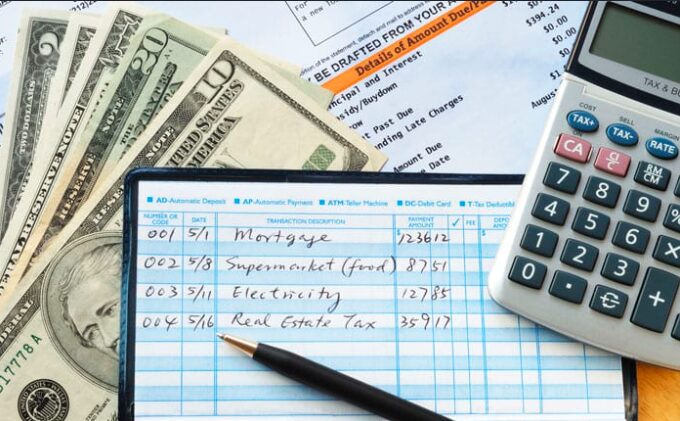
Managing money can feel difficult when expenses keep increasing and income seems limited. A monthly budget is one of the best ways to take control of your finances, reduce stress, and achieve financial goals. A good budget helps you understand where your money goes and allows you to plan your spending wisely. Whether you want to save for the future, pay off debt, or simply avoid overspending, creating a monthly budget that works can make a huge difference in your financial life.

Contents
Why a Monthly Budget Is ImportantCalculate Your Monthly IncomeTrack Your Monthly ExpensesFixed ExpensesVariable ExpensesSet Clear Financial GoalsUse the 50/30/20 Budget Rule50% for Needs30% for Wants20% for Savings and Debt PaymentsCreate a Realistic Spending PlanCut Unnecessary ExpensesBuild an Emergency FundUse Budgeting Tools and AppsReview Your Budget Every MonthAvoid Common Budgeting MistakesBenefits of Following a BudgetConclusion

Why a Monthly Budget Is Important

A monthly budget helps you track your income and expenses so you can make smarter financial decisions. Without a budget, it becomes easy to spend more than you earn. Budgeting also helps you:

  • Save money consistently
  • Avoid unnecessary debt
  • Prepare for emergencies
  • Reach financial goals faster
  • Reduce financial stress
  • Improve spending habits

A budget gives you a clear picture of your financial situation and helps you stay organized.

Calculate Your Monthly Income

The first step in creating a budget is knowing exactly how much money you earn each month. Include all sources of income, such as:

  • Salary or wages
  • Freelance income
  • Business earnings
  • Rental income
  • Side hustle income
  • Investment earnings

Use your total after-tax income because that is the actual amount available for spending and saving.

Track Your Monthly Expenses

Before building a budget, you need to understand where your money goes. Review your bank statements, receipts, and online transactions from the last few months. Divide your expenses into categories such as:

Fixed Expenses

These costs usually stay the same every month, including:

  • Rent or mortgage
  • Insurance
  • Loan payments
  • Internet bills
  • School fees

Variable Expenses

These expenses may change monthly, such as:

  • Groceries
  • Transportation
  • Entertainment
  • Dining out
  • Shopping
  • Utility bills

Tracking expenses helps identify unnecessary spending and areas where you can save money.

Set Clear Financial Goals

A budget works better when you have specific financial goals. Decide what you want to achieve with your money. Your goals may include:

  • Building an emergency fund
  • Paying off credit card debt
  • Saving for a vacation
  • Buying a house
  • Investing for retirement

Clear goals keep you motivated and focused on your financial plan.

Use the 50/30/20 Budget Rule

One of the simplest budgeting methods is the 50/30/20 rule. This method divides your income into three categories:

50% for Needs

This includes essential expenses like:

  • Housing
  • Utilities
  • Groceries
  • Transportation
  • Insurance

30% for Wants

These are non-essential expenses such as:

  • Entertainment
  • Dining out
  • Shopping
  • Subscriptions

20% for Savings and Debt Payments

This portion should go toward:

  • Emergency savings
  • Investments
  • Retirement funds
  • Extra debt payments

This budgeting system helps maintain a healthy balance between spending and saving.

Create a Realistic Spending Plan

A successful budget should be realistic and practical. Avoid setting spending limits that are too strict because they may become difficult to follow. Instead:

  • Focus on manageable changes
  • Leave room for unexpected expenses
  • Adjust your budget when needed
  • Prioritize important financial goals

A flexible budget is easier to maintain over time.

Cut Unnecessary Expenses

After reviewing your spending habits, look for areas where you can reduce costs. Small changes can lead to big savings over time. Consider:

  • Cooking meals at home
  • Canceling unused subscriptions
  • Reducing impulse shopping
  • Using public transportation
  • Comparing prices before purchases

Saving money does not mean giving up everything you enjoy. It simply means spending more wisely.

Build an Emergency Fund

Unexpected expenses can happen at any time. Medical bills, car repairs, or job loss can quickly create financial problems. An emergency fund provides financial protection during difficult situations.

Try to save at least three to six months’ worth of living expenses. Start with small monthly contributions and gradually increase your savings.

Use Budgeting Tools and Apps

Technology makes budgeting easier than ever. Many budgeting apps can help track expenses, monitor savings, and manage bills. Popular budgeting tools often include features such as:

  • Expense tracking
  • Bill reminders
  • Savings goals
  • Spending reports
  • Automatic categorization

Using these tools can simplify money management and improve financial awareness.

Review Your Budget Every Month

A budget is not something you create once and forget. Your income, expenses, and financial goals may change over time. Review your budget monthly to:

  • Check spending habits
  • Adjust financial goals
  • Improve saving strategies
  • Correct overspending problems

Regular reviews help keep your budget accurate and effective.

Avoid Common Budgeting Mistakes

Many people struggle with budgeting because of common mistakes, including:

  • Ignoring small daily expenses
  • Setting unrealistic goals
  • Forgetting irregular bills
  • Not tracking spending consistently
  • Giving up after one bad month

Budgeting is a long-term habit, and mistakes can happen. The key is staying consistent and learning from experience.

Benefits of Following a Budget

Creating and following a monthly budget can improve your financial future in many ways. Some major benefits include:

  • Better control over money
  • Reduced financial stress
  • Increased savings
  • Improved financial confidence
  • Faster debt repayment
  • Greater financial security

A well-planned budget helps you build healthier financial habits for life.

Conclusion

Creating a monthly budget that works is one of the smartest steps you can take toward financial stability. A good budget helps you manage expenses, save money, and achieve important financial goals. By tracking income, controlling spending, and reviewing your financial plan regularly, you can build better money habits and reduce financial stress. Budgeting may take time and discipline, but the long-term rewards are worth the effort.

Share This Article
Facebook Twitter Copy Link Print
Previous Article The Importance of Drinking Enough Water Every Day
Next Article The Benefits of Long-Term Investing
Leave a comment Leave a comment

Leave a Reply Cancel reply

Your email address will not be published. Required fields are marked *

Wake up with our popular morning roundup of the day's top military and defense stories

Listen Now

Stay Updated

Get the latest headlines, discounts for the military community, and guides to maximizing your benefits
Subscribe
banner
Create an Amazing Newspaper
Discover thousands of options, easy to customize layouts, one-click to import demo and much more.
Learn More

Explore

  • Photo of The Day
  • Opinion
  • Today's Epaper
  • Trending News
  • Weekly Newsletter
  • Special Deals

You Might Also Like

Working Capital Loan

Working Capital Loan: Smart Strategies to Improve Cash Flow and Grow Your Business

Finance
Tips for Paying Off Debt Faster Debt can create financial stress and make it difficult to achieve important life goals. Whether it is credit card debt, personal loans, student loans, or medical bills, carrying large amounts of debt can affect your financial stability and peace of mind. The good news is that with the right strategies and consistent effort, you can pay off debt faster and regain control of your finances. Paying off debt quickly not only saves money on interest but also improves your financial confidence and allows you to focus on future financial goals like saving and investing. Understand Your Total Debt The first step toward becoming debt-free is understanding exactly how much you owe. Make a complete list of all your debts, including: Credit card balances Student loans Personal loans Car loans Medical bills Mortgage payments For each debt, note the: Total balance Interest rate Minimum monthly payment Due date Having a clear picture of your debt helps you create an effective repayment plan. Create a Monthly Budget A budget is essential for paying off debt faster because it helps control spending and free up extra money for debt payments. Track your: Monthly income Necessary expenses Optional spending Savings goals Once you understand where your money goes, you can identify areas where you can reduce spending and apply the extra cash toward debt repayment. Use the Debt Snowball Method The debt snowball method focuses on paying off the smallest debt first while making minimum payments on all other debts. How It Works List debts from smallest to largest balance Pay extra money toward the smallest debt Continue minimum payments on other debts After paying off one debt, move to the next smallest This method builds motivation because you see quick progress as debts disappear one by one. Use the Debt Avalanche Method The debt avalanche method focuses on paying off debts with the highest interest rates first. How It Works List debts from highest to lowest interest rate Pay extra money toward the highest-interest debt Continue minimum payments on other debts Move to the next highest-interest debt after repayment This strategy can save more money on interest over time. Pay More Than the Minimum Amount Making only minimum payments can keep you in debt for many years because a large portion goes toward interest rather than the principal balance. Even small extra payments each month can help: Reduce interest costs Shorten repayment time Lower overall debt faster Whenever possible, pay more than the required minimum amount. Reduce Unnecessary Spending Cutting unnecessary expenses can free up additional money for debt payments. Consider reducing spending on: Dining out Entertainment subscriptions Impulse shopping Expensive coffee or snacks Luxury purchases Small savings made consistently can significantly increase debt repayment speed. Increase Your Income Earning extra money can accelerate debt repayment. You may consider: Freelance work Part-time jobs Selling unused items Online side hustles Overtime opportunities Using additional income specifically for debt payments can help eliminate balances much faster. Avoid Taking on New Debt While paying off current debt, avoid adding new financial obligations. Try to: Limit credit card use Avoid unnecessary loans Delay non-essential purchases Focus on financial discipline Creating new debt can slow down your progress and increase financial stress. Consolidate High-Interest Debt Debt consolidation combines multiple debts into one loan, often with a lower interest rate. This can simplify payments and reduce interest costs. Common debt consolidation options include: Personal loans Balance transfer credit cards Home equity loans However, it is important to review terms carefully before choosing consolidation. Build an Emergency Fund Unexpected expenses can force people deeper into debt. Building a small emergency fund helps cover sudden costs without relying on credit cards or loans. Even saving a small amount regularly can provide financial protection during emergencies. Set Realistic Financial Goals Paying off debt takes time and consistency. Set achievable goals such as: Paying off one credit card within six months Reducing total debt by a certain percentage Making extra monthly payments Breaking large goals into smaller milestones makes the process more manageable and motivating. Track Your Progress Regularly Monitoring your progress helps maintain motivation and accountability. You can: Use budgeting apps Create repayment charts Check balances monthly Celebrate small achievements Seeing your debt decrease over time can encourage you to stay committed. Avoid Emotional Spending Many people spend money emotionally during stress, boredom, or frustration. Emotional spending can make debt problems worse. Before making unnecessary purchases, ask yourself: Do I really need this? Can I wait before buying it? Will this affect my debt goals? Developing healthier spending habits supports faster debt repayment. Benefits of Paying Off Debt Faster Becoming debt-free provides many financial and personal benefits, including: Reduced financial stress Improved credit score More savings opportunities Greater financial freedom Lower interest payments Increased peace of mind Paying off debt also allows you to focus on building wealth and planning for the future. Common Mistakes to Avoid While paying off debt, avoid these common mistakes: Ignoring high-interest debt Missing payments Taking on additional loans Spending without a budget Giving up too quickly Consistency and discipline are essential for long-term success. Conclusion Paying off debt faster requires commitment, planning, and smart financial habits. By creating a budget, reducing unnecessary spending, increasing income, and using effective repayment strategies, you can eliminate debt and improve your financial future. Although the process may take time, staying focused and consistent will help you achieve financial freedom and reduce financial stress. Every extra payment brings you one step closer to becoming debt-free.

Tips for Paying Off Debt Faster

Finance

The Benefits of Long-Term Investing

Finance

EveryThing
newnets

Made by ThemeRuby using the Foxiz theme Powered by WordPress

Helpful Links

  • Home
  • Privacy Policy
  • About Us
  • Contact Us

Resources

  • Technology
  • Business
  • Health
  • Finance
  • Home improvement
  • Law

Popuplar

Seo Agency Growth Strategies for Sustainable Traffic Gains
How LED Walls Create Immersive Fan Experiences for World Cup Audiences
The Role of Robotics in Modern Industries

We provide daily Health, Technology, Home Improvement, Finance and Law.

Welcome Back!

Sign in to your account

Lost your password?
