
Perfect for news, magazine, blog and for all kinds of publishing websites Buy Foxiz →

everything newnets

  • Home
  • Technology
  • Business
  • Health
  • Finance
  • Home improvement
  • Law
  • Contact Us
Subscribe
Aa
EveryThingNew.NetEveryThingNew.Net
  • Technology
  • Business
  • Health
  • Finance
  • Home improvement
  • Law
Search
  • Home
  • Categories
  • Technology
  • Business
  • Health
  • Finance
  • Home improvement
  • Law
banner
Create an Amazing Newspaper
Discover thousands of options, easy to customize layouts, one-click to import demo and much more.
Learn More

Stay Updated

Get the latest headlines, discounts for the military community, and guides to maximizing your benefits
Subscribe

Explore

  • Photo of The Day
  • Opinion
  • Today's Epaper
  • Trending News
  • Weekly Newsletter
  • Special Deals
Made by ThemeRuby using the Foxiz theme Powered by WordPress

The Benefits of Long-Term Investing

ADMIN By ADMIN May 12, 2026 8 Min Read
Share

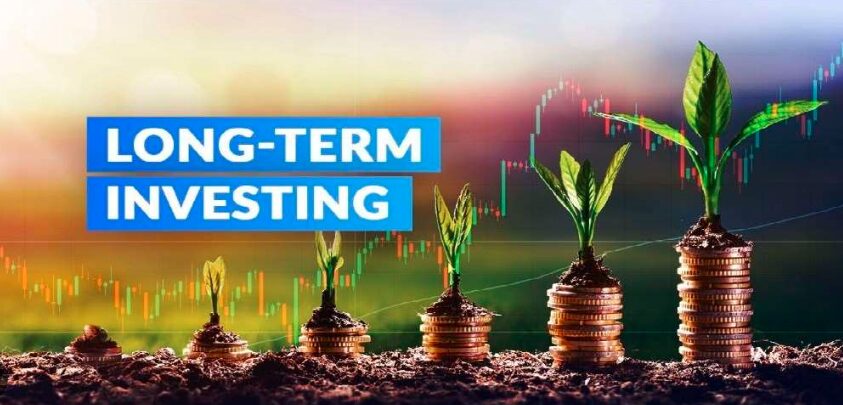
Long-term investing is one of the most effective ways to build wealth and achieve financial security over time. Instead of focusing on short-term market changes, long-term investors stay committed to their financial goals and allow their investments to grow steadily. Whether you are saving for retirement, a house, or future financial freedom, long-term investing can provide stability and strong financial rewards.

Contents
What Is Long-Term Investing?Helps Build Wealth Over TimeThe Power of Compound GrowthReduces the Impact of Market VolatilityEncourages Better Financial DisciplineLower Investment CostsPotential Tax AdvantagesHelps Achieve Major Financial GoalsOffers Protection Against InflationAllows Time to Recover From LossesCreates Passive Income OpportunitiesLong-Term Investing vs Short-Term TradingTips for Successful Long-Term InvestingStart EarlyInvest RegularlyDiversify Your PortfolioAvoid Emotional DecisionsContinue LearningCommon Mistakes to AvoidConclusion

Many successful investors believe that patience and consistency are the keys to financial growth. By holding investments for years or even decades, investors can benefit from market growth, compound returns, and reduced financial stress.

What Is Long-Term Investing?

Long-term investing means buying and holding investments for an extended period, usually several years or decades. These investments may include:

  • Stocks
  • Mutual funds
  • Exchange-traded funds (ETFs)
  • Real estate
  • Retirement accounts
  • Bonds

The main goal of long-term investing is to allow assets to grow gradually over time rather than trying to make quick profits from short-term market movements.

Helps Build Wealth Over Time

One of the biggest benefits of long-term investing is wealth creation. Financial markets generally grow over long periods despite temporary ups and downs. Investors who stay invested for many years often see significant growth in their portfolios.

The longer your money stays invested, the greater the opportunity for your investments to increase in value. Even small investments made regularly can grow into large amounts over time.

The Power of Compound Growth

Compound growth is one of the most powerful advantages of long-term investing. Compounding happens when your investment earnings begin generating their own earnings.

For example, if you earn returns on your investments and reinvest those profits, your money continues growing faster over time.

A=P(1+rn)ntA=P\left(1+\frac{r}{n}\right)^{nt}A=P(1+nr​)nt

PVPVPV

r (%)r\,(\%)r(%)

nnn24681012141618205001000150020002500$2,653.30

This formula represents compound interest, where investments grow exponentially over long periods. The earlier you start investing, the more powerful compounding becomes.

Reduces the Impact of Market Volatility

Financial markets naturally rise and fall over time. Short-term investors often panic during market declines, but long-term investors usually have enough time to recover from temporary losses.

Historically, markets have shown long-term upward growth despite economic downturns and financial crises. Staying invested during difficult periods can help investors benefit when markets recover.

Encourages Better Financial Discipline

Long-term investing teaches patience and financial discipline. Instead of making emotional decisions based on daily market changes, long-term investors focus on consistent investing and long-term goals.

This disciplined approach helps avoid:

  • Panic selling
  • Emotional investing
  • Frequent trading mistakes
  • Unnecessary financial stress

A calm and consistent strategy often produces better results than trying to predict short-term market movements.

Lower Investment Costs

Frequent buying and selling of investments can lead to higher costs, including:

  • Trading fees
  • Brokerage commissions
  • Taxes on short-term gains

Long-term investors usually trade less often, which helps reduce these costs. Lower expenses mean more money stays invested and continues growing.

Potential Tax Advantages

In many countries, long-term investments may receive better tax treatment compared to short-term trading profits. Holding investments for longer periods can reduce capital gains taxes and improve overall returns.

Tax-efficient investing allows investors to keep more of their profits and increase long-term wealth accumulation.

Helps Achieve Major Financial Goals

Long-term investing can help people achieve important life goals such as:

  • Retirement planning
  • Buying a home
  • Funding education
  • Building financial independence
  • Creating generational wealth

A long-term strategy provides enough time for investments to grow and support future financial needs.

Offers Protection Against Inflation

Inflation gradually reduces the purchasing power of money over time. Keeping all your savings in cash may not provide enough growth to beat inflation.

Long-term investments, especially stocks and real estate, have historically provided returns that often outpace inflation. This helps preserve and grow purchasing power in the future.

Allows Time to Recover From Losses

All investments carry some level of risk. However, long-term investors usually have more time to recover from temporary market declines.

Short-term market crashes may seem alarming, but history shows that markets often recover over time. Investors who remain patient are more likely to benefit from future growth.

Creates Passive Income Opportunities

Some long-term investments generate passive income through:

  • Dividends from stocks
  • Rental income from real estate
  • Interest from bonds

These income streams can provide additional financial stability and support future financial goals.

Long-Term Investing vs Short-Term Trading

There are major differences between long-term investing and short-term trading.

Long-Term InvestingShort-Term Trading
Focuses on years or decadesFocuses on daily or weekly profits
Lower stressHigher stress
Lower transaction costsHigher trading fees
Relies on patienceRelies on constant market monitoring
More stable strategyHigher risk strategy

Long-term investing is generally considered safer and more suitable for most people.

Tips for Successful Long-Term Investing

To become a successful long-term investor, consider these tips:

Start Early

The earlier you begin investing, the more time your money has to grow through compounding.

Invest Regularly

Consistent investing, even with small amounts, can produce strong long-term results.

Diversify Your Portfolio

Spread investments across different asset types to reduce risk.

Avoid Emotional Decisions

Do not panic during market declines. Focus on long-term goals rather than short-term market changes.

Continue Learning

Understanding financial markets and investment strategies can help improve decision-making.

Common Mistakes to Avoid

Many investors make mistakes that hurt long-term performance, such as:

  • Trying to time the market
  • Selling during market crashes
  • Investing without research
  • Ignoring diversification
  • Expecting quick profits

Avoiding these mistakes can improve your chances of long-term financial success.

Conclusion

Long-term investing is one of the most reliable ways to build wealth, achieve financial goals, and create financial security. By staying invested over time, investors can benefit from compound growth, reduced market stress, and steady portfolio growth. Although markets may experience short-term fluctuations, patience and consistency often lead to strong long-term rewards. Starting early, investing regularly, and maintaining discipline can help anyone build a stronger financial future through long-term investing.

Share This Article
Facebook Twitter Copy Link Print
Previous Article How to Create a Monthly Budget That Works
Next Article Tips for Paying Off Debt Faster Debt can create financial stress and make it difficult to achieve important life goals. Whether it is credit card debt, personal loans, student loans, or medical bills, carrying large amounts of debt can affect your financial stability and peace of mind. The good news is that with the right strategies and consistent effort, you can pay off debt faster and regain control of your finances. Paying off debt quickly not only saves money on interest but also improves your financial confidence and allows you to focus on future financial goals like saving and investing. Understand Your Total Debt The first step toward becoming debt-free is understanding exactly how much you owe. Make a complete list of all your debts, including: Credit card balances Student loans Personal loans Car loans Medical bills Mortgage payments For each debt, note the: Total balance Interest rate Minimum monthly payment Due date Having a clear picture of your debt helps you create an effective repayment plan. Create a Monthly Budget A budget is essential for paying off debt faster because it helps control spending and free up extra money for debt payments. Track your: Monthly income Necessary expenses Optional spending Savings goals Once you understand where your money goes, you can identify areas where you can reduce spending and apply the extra cash toward debt repayment. Use the Debt Snowball Method The debt snowball method focuses on paying off the smallest debt first while making minimum payments on all other debts. How It Works List debts from smallest to largest balance Pay extra money toward the smallest debt Continue minimum payments on other debts After paying off one debt, move to the next smallest This method builds motivation because you see quick progress as debts disappear one by one. Use the Debt Avalanche Method The debt avalanche method focuses on paying off debts with the highest interest rates first. How It Works List debts from highest to lowest interest rate Pay extra money toward the highest-interest debt Continue minimum payments on other debts Move to the next highest-interest debt after repayment This strategy can save more money on interest over time. Pay More Than the Minimum Amount Making only minimum payments can keep you in debt for many years because a large portion goes toward interest rather than the principal balance. Even small extra payments each month can help: Reduce interest costs Shorten repayment time Lower overall debt faster Whenever possible, pay more than the required minimum amount. Reduce Unnecessary Spending Cutting unnecessary expenses can free up additional money for debt payments. Consider reducing spending on: Dining out Entertainment subscriptions Impulse shopping Expensive coffee or snacks Luxury purchases Small savings made consistently can significantly increase debt repayment speed. Increase Your Income Earning extra money can accelerate debt repayment. You may consider: Freelance work Part-time jobs Selling unused items Online side hustles Overtime opportunities Using additional income specifically for debt payments can help eliminate balances much faster. Avoid Taking on New Debt While paying off current debt, avoid adding new financial obligations. Try to: Limit credit card use Avoid unnecessary loans Delay non-essential purchases Focus on financial discipline Creating new debt can slow down your progress and increase financial stress. Consolidate High-Interest Debt Debt consolidation combines multiple debts into one loan, often with a lower interest rate. This can simplify payments and reduce interest costs. Common debt consolidation options include: Personal loans Balance transfer credit cards Home equity loans However, it is important to review terms carefully before choosing consolidation. Build an Emergency Fund Unexpected expenses can force people deeper into debt. Building a small emergency fund helps cover sudden costs without relying on credit cards or loans. Even saving a small amount regularly can provide financial protection during emergencies. Set Realistic Financial Goals Paying off debt takes time and consistency. Set achievable goals such as: Paying off one credit card within six months Reducing total debt by a certain percentage Making extra monthly payments Breaking large goals into smaller milestones makes the process more manageable and motivating. Track Your Progress Regularly Monitoring your progress helps maintain motivation and accountability. You can: Use budgeting apps Create repayment charts Check balances monthly Celebrate small achievements Seeing your debt decrease over time can encourage you to stay committed. Avoid Emotional Spending Many people spend money emotionally during stress, boredom, or frustration. Emotional spending can make debt problems worse. Before making unnecessary purchases, ask yourself: Do I really need this? Can I wait before buying it? Will this affect my debt goals? Developing healthier spending habits supports faster debt repayment. Benefits of Paying Off Debt Faster Becoming debt-free provides many financial and personal benefits, including: Reduced financial stress Improved credit score More savings opportunities Greater financial freedom Lower interest payments Increased peace of mind Paying off debt also allows you to focus on building wealth and planning for the future. Common Mistakes to Avoid While paying off debt, avoid these common mistakes: Ignoring high-interest debt Missing payments Taking on additional loans Spending without a budget Giving up too quickly Consistency and discipline are essential for long-term success. Conclusion Paying off debt faster requires commitment, planning, and smart financial habits. By creating a budget, reducing unnecessary spending, increasing income, and using effective repayment strategies, you can eliminate debt and improve your financial future. Although the process may take time, staying focused and consistent will help you achieve financial freedom and reduce financial stress. Every extra payment brings you one step closer to becoming debt-free. Tips for Paying Off Debt Faster
Leave a comment Leave a comment

Leave a Reply Cancel reply

Your email address will not be published. Required fields are marked *

Wake up with our popular morning roundup of the day's top military and defense stories

Listen Now

Stay Updated

Get the latest headlines, discounts for the military community, and guides to maximizing your benefits
Subscribe
banner
Create an Amazing Newspaper
Discover thousands of options, easy to customize layouts, one-click to import demo and much more.
Learn More

Explore

  • Photo of The Day
  • Opinion
  • Today's Epaper
  • Trending News
  • Weekly Newsletter
  • Special Deals

You Might Also Like

Working Capital Loan

Working Capital Loan: Smart Strategies to Improve Cash Flow and Grow Your Business

Finance
Tips for Paying Off Debt Faster Debt can create financial stress and make it difficult to achieve important life goals. Whether it is credit card debt, personal loans, student loans, or medical bills, carrying large amounts of debt can affect your financial stability and peace of mind. The good news is that with the right strategies and consistent effort, you can pay off debt faster and regain control of your finances. Paying off debt quickly not only saves money on interest but also improves your financial confidence and allows you to focus on future financial goals like saving and investing. Understand Your Total Debt The first step toward becoming debt-free is understanding exactly how much you owe. Make a complete list of all your debts, including: Credit card balances Student loans Personal loans Car loans Medical bills Mortgage payments For each debt, note the: Total balance Interest rate Minimum monthly payment Due date Having a clear picture of your debt helps you create an effective repayment plan. Create a Monthly Budget A budget is essential for paying off debt faster because it helps control spending and free up extra money for debt payments. Track your: Monthly income Necessary expenses Optional spending Savings goals Once you understand where your money goes, you can identify areas where you can reduce spending and apply the extra cash toward debt repayment. Use the Debt Snowball Method The debt snowball method focuses on paying off the smallest debt first while making minimum payments on all other debts. How It Works List debts from smallest to largest balance Pay extra money toward the smallest debt Continue minimum payments on other debts After paying off one debt, move to the next smallest This method builds motivation because you see quick progress as debts disappear one by one. Use the Debt Avalanche Method The debt avalanche method focuses on paying off debts with the highest interest rates first. How It Works List debts from highest to lowest interest rate Pay extra money toward the highest-interest debt Continue minimum payments on other debts Move to the next highest-interest debt after repayment This strategy can save more money on interest over time. Pay More Than the Minimum Amount Making only minimum payments can keep you in debt for many years because a large portion goes toward interest rather than the principal balance. Even small extra payments each month can help: Reduce interest costs Shorten repayment time Lower overall debt faster Whenever possible, pay more than the required minimum amount. Reduce Unnecessary Spending Cutting unnecessary expenses can free up additional money for debt payments. Consider reducing spending on: Dining out Entertainment subscriptions Impulse shopping Expensive coffee or snacks Luxury purchases Small savings made consistently can significantly increase debt repayment speed. Increase Your Income Earning extra money can accelerate debt repayment. You may consider: Freelance work Part-time jobs Selling unused items Online side hustles Overtime opportunities Using additional income specifically for debt payments can help eliminate balances much faster. Avoid Taking on New Debt While paying off current debt, avoid adding new financial obligations. Try to: Limit credit card use Avoid unnecessary loans Delay non-essential purchases Focus on financial discipline Creating new debt can slow down your progress and increase financial stress. Consolidate High-Interest Debt Debt consolidation combines multiple debts into one loan, often with a lower interest rate. This can simplify payments and reduce interest costs. Common debt consolidation options include: Personal loans Balance transfer credit cards Home equity loans However, it is important to review terms carefully before choosing consolidation. Build an Emergency Fund Unexpected expenses can force people deeper into debt. Building a small emergency fund helps cover sudden costs without relying on credit cards or loans. Even saving a small amount regularly can provide financial protection during emergencies. Set Realistic Financial Goals Paying off debt takes time and consistency. Set achievable goals such as: Paying off one credit card within six months Reducing total debt by a certain percentage Making extra monthly payments Breaking large goals into smaller milestones makes the process more manageable and motivating. Track Your Progress Regularly Monitoring your progress helps maintain motivation and accountability. You can: Use budgeting apps Create repayment charts Check balances monthly Celebrate small achievements Seeing your debt decrease over time can encourage you to stay committed. Avoid Emotional Spending Many people spend money emotionally during stress, boredom, or frustration. Emotional spending can make debt problems worse. Before making unnecessary purchases, ask yourself: Do I really need this? Can I wait before buying it? Will this affect my debt goals? Developing healthier spending habits supports faster debt repayment. Benefits of Paying Off Debt Faster Becoming debt-free provides many financial and personal benefits, including: Reduced financial stress Improved credit score More savings opportunities Greater financial freedom Lower interest payments Increased peace of mind Paying off debt also allows you to focus on building wealth and planning for the future. Common Mistakes to Avoid While paying off debt, avoid these common mistakes: Ignoring high-interest debt Missing payments Taking on additional loans Spending without a budget Giving up too quickly Consistency and discipline are essential for long-term success. Conclusion Paying off debt faster requires commitment, planning, and smart financial habits. By creating a budget, reducing unnecessary spending, increasing income, and using effective repayment strategies, you can eliminate debt and improve your financial future. Although the process may take time, staying focused and consistent will help you achieve financial freedom and reduce financial stress. Every extra payment brings you one step closer to becoming debt-free.

Tips for Paying Off Debt Faster

Finance

How to Create a Monthly Budget That Works

Finance

EveryThing
newnets

Made by ThemeRuby using the Foxiz theme Powered by WordPress

Helpful Links

  • Home
  • Privacy Policy
  • About Us
  • Contact Us

Resources

  • Technology
  • Business
  • Health
  • Finance
  • Home improvement
  • Law

Popuplar

Seo Agency Growth Strategies for Sustainable Traffic Gains
How LED Walls Create Immersive Fan Experiences for World Cup Audiences
The Role of Robotics in Modern Industries

We provide daily Health, Technology, Home Improvement, Finance and Law.

Welcome Back!

Sign in to your account

Lost your password?
