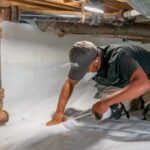

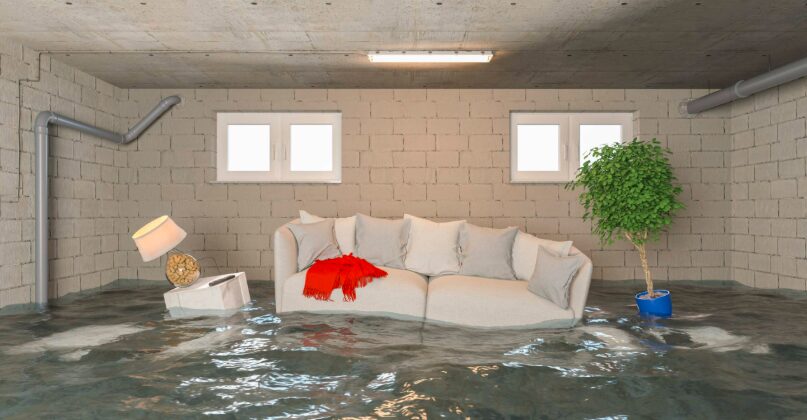
Water damage to your home or business may result from factors such as roof leaks, burst water pipes, or storm-related flooding. Prolonged water damage reduces your property’s structural integrity, and it does so by compromising wall assemblies and warping wood. Water damage restoration is the process of removing surface water and hidden moisture to keep your property dry and safe. Here are a few key steps in water damage restoration for your home:
Comprehensive Water Damage Inspection
Water damage inspection and assessment enable you to identify the actual source of water intrusion. Water can leak into your property from above ceilings, behind walls, or beneath floors. Identifying these and other sources enables you to proceed with water damage restoration without the risk of continued infiltration. Inspection and assessment also help define the full extent of water damage to your property. This makes it easier to address the affected areas instead of repairing only visible damage during restoration. A comprehensive assessment lets you classify the water type; this matters since clean water, gray water, and heavily contaminated water require different restoration methods.
Remove Standing Water
Porous materials like wood and drywall quickly absorb moisture and break down when there is standing water on your property. Subfloors also tend to lose stability, so removing standing water is key to maintaining the structural integrity of these components. Reduced structural deterioration helps support a faster and more effective restoration process. This step also helps to prevent water from spreading and causing more damage to:
- Drywall
- Baseboards
- Flooring
- Insulation
- Subfloors
Immediately removing standing water prevents trapped moisture, lowering the risk of mold growth. You are also able to dry equipment like furniture, documents, and electronics more effectively after removing excess water. Before beginning this step, shut off the electricity to the affected areas, then stop the water supply. The extraction process should start where water has collected most deeply and then move outward. This helps minimize saturation levels and also prevents the water from moving further into nearby materials.
Dry and Dehumidify Affected Areas
Drying and dehumidifying affected areas reduces humidity to levels that inhibit rapid mold growth and helps prevent moisture-related expansion, warping, or distortion of materials such as door frames, cabinetry, and wood flooring. This process eliminates damp conditions that contribute to musty odors and helps improve indoor air quality. It also targets hidden moisture that can remain in materials like insulation, carpet padding, and wood subfloors, reducing the risk of ongoing damage after visible surfaces appear dry.
Drying and dehumidifying the property during water damage restoration protects electrical systems from corrosion and plumbing fixtures from rust. A well-dried and dehumidified property is also easier to reconstruct after water damage. Wall cavities, underlayment, and concrete slabs are also key areas to target when drying and dehumidifying during the restoration process.
Clean and Sanitize all Surfaces
Cleaning and sanitizing surfaces is key to removing contaminants that remain after you remove standing water. Sanitization targets contaminants in hard-to-reach areas, such as the joints and corners. Other components, surfaces, and fixtures to clean and sanitize while restoring your home after water damage include:
- Countertops
- Shelving systems
- Drawers
- Flooring and subfloor systems
- Baseboards
- Trim
Repair and Reconstruct
Repair and reconstruction are key to restoring your property’s structural integrity and functionality after water damage. This last step also helps prevent lingering moisture from being trapped in concealed spaces. Repair and reconstruction minimize the chances of recurring damage from untreated weak points, such as joints and seams. For enhanced restoration, replace any materials that haven’t fully dried, like warped panels and saturated drywall.
Hire Water Damage Restoration Services
Effective restoration after water damage helps return your property to a safe, functional condition through water removal, drying, and reconstruction. A professional will quickly remove the standing water and restore your property to its original condition. Contact a reliable water damage restoration company and protect your home from further damage.