
As a homeowner, moisture beneath your home can affect your foundation, flooring, and indoor air quality. Crawlspace encapsulations are among the most effective ways to prevent moisture from causing lasting damage. Crawl spaces often sit directly on the ground, making them the most vulnerable spot in your home for water intrusion. Here are some of the ways to prevent moisture issues in your crawl space:
Block Ground Moisture
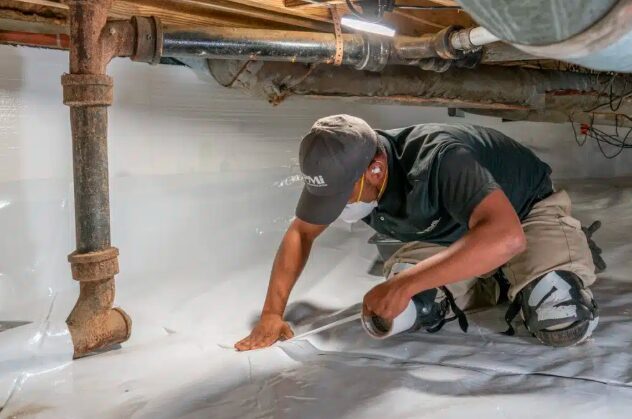
Vapor barriers work by creating a physical layer between the ground and your crawl space. Once you install one, moisture that would normally rise through the soil gets stopped at the barrier. It allows you to keep the space drier without relying solely on ventilation.
A vapor barrier for dirt crawl spaces can often be installed in less than a day. Once installed, it creates a physical separation between the ground and the structure above it. This separation is what makes crawlspace encapsulations a reliable foundation protection strategy.
In your crawl space, even small amounts of ground moisture can accumulate after heavy rain. Barrier coverage reduces the amount of that moisture that migrates upward into the space. A well-sealed floor provides a more controlled crawl space environment that remains dry across various seasons.
Direct Water Out
Proper moisture control also requires a clear path for water to exit. Without drainage, even a good barrier has limits. Here is more information on how this can be done:
- Drainage systems: Moves water away from the crawl space before it pools or lingers.
- Clear paths: Encapsulation works better when water has a designated exit route rather than sitting against the barrier.
- Prevention methods: A properly designed drainage system reduces the chance of returning moisture problems after storms.
Seal Outside Air
Humid outside air enters through vents, cracks, and gaps, raising moisture levels in the crawl space. Sealing these openings works alongside encapsulation and insulation as part of a full waterproofing system. Once the space is sealed, indoor conditions stabilize and become easier to control. Drainage and dehumidification systems then operate with less incoming humidity, reducing the overall moisture load they must manage.
Control Humidity Levels
Visible water represents only part of the moisture issue. Humidity often remains elevated after standing water is removed, and that residual moisture continues to affect the crawl space. Moisture also enters through ground evaporation and outside air, even when no puddles are present. Damp conditions develop below the home without visible water intrusion.
High-capacity dehumidifiers control humidity levels in crawl spaces and basements. Installed alongside sealing and barrier systems, they remove excess moisture from the air and support the overall encapsulation setup; this combination helps maintain more stable conditions over time. Lower humidity reduces conditions associated with mold, mildew, and musty odors.
Install Sump Pumps
Sump pumps integrate with encapsulation systems and handle water removal when levels rise. Installed with drainage and a vapor barrier, they move collected water out of the crawl space. This creates a coordinated system rather than relying on a single method of control. A complete waterproofing setup combines drainage, sump pump discharge, vapor barriers, and dehumidification. Each component addresses a different source or form of moisture, and no single product manages all moisture conditions on its own.
Hire Professionals for Crawlspace Encapsulations Today
Crawlspace encapsulations work alongside drainage systems, air sealing, dehumidification, and sump pump protection to support long-term results. Once these components work together, the crawl space stays more consistently managed through seasonal temperature and humidity changes. This combined system supports long-term moisture control under a range of outdoor conditions. Contact a crawl space waterproofing professional to learn more about solutions tailored to your home.