

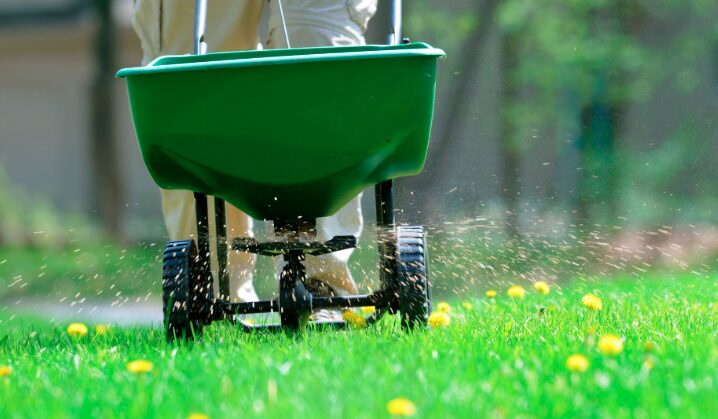
A healthy lawn does more than improve curb appeal. It creates a welcoming outdoor space, supports recreational activities, and enhances the overall appearance of a property. However, maintaining thick grass while keeping weeds under control can be challenging. That’s why many homeowners turn to weed and feed solutions as part of their lawn care routine.
By combining weed control and fertilization into one treatment, weed and feed products simplify lawn maintenance while promoting stronger grass growth.
Understanding Weed and Feed
Weed & feed is a lawn treatment designed to eliminate unwanted weeds while supplying nutrients that encourage healthy grass development. Instead of applying separate products, homeowners can address two lawn concerns with a single application.
The treatment typically targets common broadleaf weeds while delivering essential nutrients that support root growth and lawn density.
How It Works
The weed-control component attacks unwanted plants growing among the grass. At the same time, the fertilizer portion strengthens the lawn, helping it grow thicker and healthier.
As grass becomes denser, it naturally crowds out weeds and reduces future infestations.
Benefits of Using Weed and Feed
Many property owners choose weed and feed because it offers several advantages.
Convenient Lawn Care
Managing weeds and fertilizing separately can be time-consuming. Weed and feed simplifies the process by combining both tasks into one treatment schedule.
Stronger Grass Growth
Nutrients help grass develop deeper roots and healthier blades. A stronger lawn can better withstand foot traffic, weather changes, and seasonal stress.
Improved Weed Control
A thick lawn leaves fewer opportunities for weeds to establish themselves. Consistent weed and feed applications help create an environment where grass thrives and weeds struggle.
Best Practices for Application
Timing plays an important role in achieving successful results.
Apply During Active Growth
Grass should be actively growing when applying weed and feed. Active growth allows the lawn to absorb nutrients efficiently while helping the weed-control ingredients work effectively.
Follow Proper Watering Practices
Some weed and feed products perform best when applied to slightly damp grass. Others may require watering after application. Understanding proper watering practices can improve results.
Avoid Overuse
Applying too much product can stress the lawn. Following recommended application guidelines helps maintain balanced growth and prevents unnecessary damage.
Common Mistakes to Avoid
Many lawn problems occur because of improper treatment methods.
Applying at the Wrong Time
Using weed and feed during dormant periods may reduce effectiveness. Grass should be healthy and actively growing for optimal results.
Ignoring Lawn Conditions
Every lawn is different. Soil quality, grass type, and climate conditions all influence performance. Assessing lawn health before treatment can help determine the best approach.
Expecting Instant Results
Weed elimination and lawn improvement take time. While some changes may appear quickly, long-term success depends on consistent care and maintenance.
Supporting Weed and Feed Results
A lawn care program should include more than just weed and feed treatments.
Regular Mowing
Proper mowing encourages healthy grass growth and improves overall lawn appearance.
Consistent Watering
Deep, infrequent watering promotes stronger root systems and better drought resistance.
Soil Health Management
Healthy soil provides the foundation for a thriving lawn. Aeration and proper nutrient management can enhance the effectiveness of weed and feed applications.
Conclusion
A beautiful lawn requires a combination of weed control, proper nutrition, and ongoing maintenance. Weed and feed offers a practical solution for homeowners who want to simplify lawn care while improving overall turf health. When used correctly, weed and feed treatments help create thicker grass, reduce weed growth, and support a greener outdoor environment throughout the growing season.