

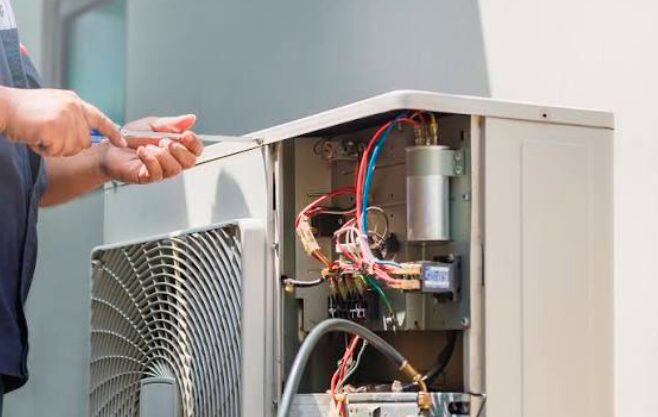
Introduction
A heating system failure rarely happens at a convenient time. Whether it occurs during a cold evening or early morning, losing heat can quickly become a stressful situation. That is why emergency furnace repair is often necessary when a system suddenly stops functioning or shows signs of a serious problem.
Understanding the warning signs, knowing how to respond, and taking quick action can help minimize discomfort while protecting the heating system from further damage.
Situations That May Require Emergency Attention
Not every heating issue is considered urgent. However, certain situations may require immediate action.
Common examples include:
- Complete loss of heat
- Unusual burning smells
- Loud mechanical noises
- Repeated shutdowns
- Extremely poor airflow
- Sudden temperature drops indoors
When these conditions occur, emergency furnace repair may be necessary to restore safe and reliable operation.
Unexpected System Failure
A system that stops working entirely often requires prompt diagnosis and repair.
Safety Concerns
Unusual odors or sounds should never be ignored. These symptoms can indicate serious mechanical or operational issues.
Immediate Steps Homeowners Can Take
Before arranging emergency furnace repair, homeowners can perform a few basic checks.
First, verify thermostat settings. Next, inspect the air filter for excessive buildup. Finally, ensure the power supply remains active.
These simple steps may help identify minor issues while providing useful information about system behavior.
Why Fast Response Matters
Delaying emergency furnace repair can allow small problems to become larger ones.
Preventing Additional Damage
A struggling system may place extra stress on important components. Prompt repairs can help limit further wear.
Restoring Comfort Quickly
Indoor temperatures can decline rapidly during colder weather. Quick action helps restore comfort sooner.
Common Causes of Emergency Heating Problems
Several issues can contribute to sudden system failures.
These include:
- Mechanical wear
- Restricted airflow
- Electrical concerns
- Ignition problems
- Sensor malfunctions
Identifying the underlying cause is an important step in restoring normal operation.
Reducing Future Emergencies
Although not every problem can be prevented, regular maintenance significantly lowers the risk of unexpected breakdowns.
Helpful preventive measures include:
- Routine inspections
- Filter replacement
- Monitoring unusual sounds
- Checking airflow regularly
- Addressing minor concerns early
These habits support long-term reliability and system performance.
The Importance of Preparedness
Homeowners who understand their heating system are often better prepared when emergencies occur.
Keeping maintenance records, monitoring performance changes, and responding quickly to warning signs can help reduce stress during unexpected situations.
Emergency furnace repair becomes less disruptive when homeowners remain proactive and attentive throughout the year.
Conclusion
Heating system failures can happen unexpectedly, but understanding how to respond makes a significant difference. Emergency furnace repair plays an important role in restoring comfort, protecting equipment, and preventing additional damage.
By recognizing warning signs early and taking prompt action, homeowners can navigate heating emergencies more effectively while supporting the long-term health of their systems.