

Introduction
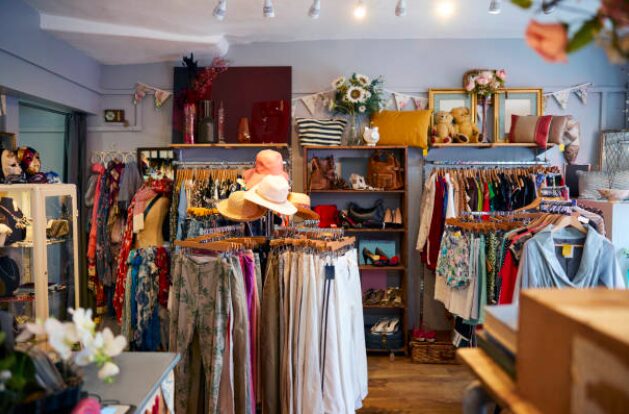
Fashion trends change constantly, but smart shopping habits remain timeless. A second hand clothing store provides an excellent opportunity to build a stylish wardrobe while reducing costs and supporting sustainability.
More consumers are embracing secondhand fashion because it offers variety, affordability, and environmental benefits all at once.
Why Shop at a Second Hand Clothing Store?
A second hand clothing store offers access to diverse styles, fabrics, and designs. Shoppers often find distinctive pieces that help them express their personal style.
Unlike conventional shopping experiences, secondhand fashion allows consumers to discover garments with character and individuality.
Key Benefits
- Lower clothing expenses
- Unique wardrobe options
- Reduced textile waste
- Sustainable shopping habits
- Frequent inventory updates
Building a Versatile Wardrobe
Creating a functional wardrobe starts with selecting versatile pieces that work together.
Focus on Basics
Neutral tops, trousers, jackets, and layering pieces provide flexibility for different occasions.
Prioritize Quality
Examine stitching, fabric condition, and overall construction before making a purchase.
Choose Timeless Styles
Classic designs often remain useful for years and provide greater long-term value.
Sustainable Fashion Matters
The fashion industry generates significant waste. Shopping at a second hand clothing store helps extend the lifespan of garments and reduces unnecessary disposal.
This simple choice can contribute to more responsible consumption while supporting environmental goals.
Finding Hidden Gems
Successful shoppers understand that patience is part of the process.
Visit Frequently
New inventory arrives regularly, creating fresh opportunities for discovery.
Explore Every Section
Unexpected finds often appear in areas that many shoppers overlook.
Keep an Open Mind
A garment may look ordinary at first glance but become a favorite after proper styling.
Shopping Mistakes to Avoid
Avoid purchasing items solely because they seem inexpensive. Every purchase should have a clear purpose within your wardrobe.
Similarly, always check sizing carefully. Different garments may fit differently depending on their construction and design.
The Future of Secondhand Fashion
As sustainability becomes increasingly important, more consumers are turning toward secondhand shopping. This shift reflects growing awareness of responsible consumption and long-term value.
A second hand clothing store is no longer simply an alternative shopping option. For many people, it has become a preferred way to build a stylish and practical wardrobe.
Conclusion
A second hand clothing store offers far more than affordability. It provides opportunities to create a unique wardrobe, reduce environmental impact, and make thoughtful purchasing decisions. By focusing on quality, versatility, and sustainability, shoppers can enjoy fashion that reflects both personal style and responsible consumption.