

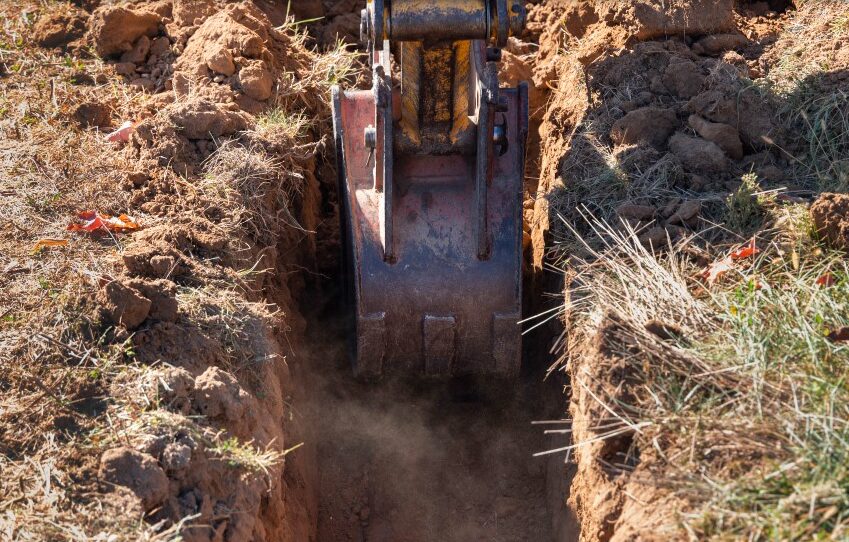
Introduction
When construction, landscaping, or utility work begins, one of the most important early tasks is to dig trench sections that support the project’s foundation. Whether the goal is drainage, irrigation, cable installation, or structural development, the ability to dig trenches areas correctly can improve efficiency, safety, and long-term performance.
A well-planned trench helps prevent future problems such as water accumulation, soil instability, and maintenance challenges. Understanding the process before work starts allows teams to avoid costly mistakes and achieve better results.
Why Proper Trenching Matters
Before you dig trench pathways, it is important to understand the purpose behind the excavation. Trenches create organized channels that accommodate underground systems while protecting surrounding land.
Key benefits include:
Improved Drainage
Water can cause serious damage when it collects around structures. A properly designed trench directs water away from vulnerable areas.
Better Utility Placement
Electrical lines, communication cables, and water pipes often require underground installation. When professionals dig trench routes accurately, these systems remain protected and accessible.
Enhanced Site Organization
Careful trench planning helps maintain a cleaner worksite and reduces unnecessary excavation.
Planning Before You Dig
Preparation is often more important than the excavation itself.
Assess Soil Conditions
Different soil types respond differently to excavation. Loose soil may require additional support, while compact soil may demand specialized equipment.
Mark the Route
A clearly marked path helps workers dig trench sections efficiently while minimizing disruptions to nearby areas.
Consider Depth Requirements
Every project has unique specifications. Determining the correct depth in advance reduces the need for adjustments later.
Best Practices for Trench Excavation
Use the Right Equipment
The choice of equipment depends on project size. Smaller projects may use hand tools, while larger developments often rely on mechanical excavation methods.
Maintain Consistent Dimensions
Uniform width and depth improve performance and simplify future maintenance.
Monitor Soil Stability
As teams dig trench areas, they should regularly evaluate soil conditions to prevent collapse and maintain safety.
Common Challenges
Unexpected Obstacles
Roots, rocks, and buried debris can slow progress. Early site assessments help identify potential issues.
Weather Conditions
Heavy rain may weaken trench walls and increase risks. Scheduling excavation during favorable conditions often improves results.
Poor Planning
Rushing into excavation without preparation can create delays and additional costs.
Safety Considerations
Safety should remain a priority throughout the process.
Protect Workers
Proper access points and stable trench walls reduce risks.
Inspect Frequently
Regular inspections help identify hazards before they become serious problems.
Follow Local Requirements
Compliance with applicable regulations promotes safe and responsible excavation practices.
Long-Term Maintenance
After construction is complete, trench systems should be monitored periodically. Sediment buildup, erosion, and drainage issues can reduce effectiveness over time.
Routine inspections help ensure that the original purpose of the trench continues to be fulfilled.
Conclusion
The decision to dig trench sections should never be treated as a simple excavation task. Careful planning, proper execution, and ongoing maintenance contribute to successful outcomes across many types of projects. By understanding soil conditions, following best practices, and prioritizing safety, project teams can create trench systems that perform effectively for years to come.