
Introduction
Walls experience daily wear and tear, making damage almost unavoidable over time. From small nail holes and dents to peeling paint and water stains, even minor imperfections can affect the appearance of an entire room. That’s where drywall paint repair becomes essential. Proper repair techniques not only restore the look of your walls but also help maintain the overall condition of your home.
Many homeowners attempt quick touch-ups, only to discover that the repaired area stands out more than the original damage. Successful drywall paint repair requires attention to both the drywall surface and the paint finish. When done correctly, repairs blend seamlessly into the surrounding wall, creating a smooth and professional appearance.
Understanding Common Wall Damage
Before beginning any repair project, it’s important to understand what caused the damage in the first place.
Small Holes and Dents
Everyday activities often leave marks on walls. Furniture bumps, door handles, and wall-mounted decorations can create dents and holes that become increasingly noticeable over time.
Cracks in Drywall
Minor cracks commonly develop as homes naturally settle. While some cracks are purely cosmetic, others may indicate movement that should be monitored.
Water Damage
Water stains, bubbling paint, and soft drywall are clear signs of moisture intrusion. In these situations, drywall paint repair should always begin by identifying and correcting the source of the moisture.
Peeling or Flaking Paint
Paint may peel due to age, humidity, poor preparation, or improper application. Simply repainting over the affected area rarely solves the problem.
Why Proper Drywall Paint Repair Matters
Many people focus only on the visible paint damage. However, paint is only as good as the surface beneath it.
Creates a Uniform Appearance
Proper drywall paint repair removes imperfections that would otherwise remain visible after painting. Smooth walls help create a polished and finished look.
Prevents Further Deterioration
Ignoring small problems can lead to larger repairs later. Addressing damage early helps preserve the condition of the wall.
Improves Paint Performance
Fresh paint adheres more effectively to properly repaired and prepared surfaces. This results in better coverage and longer-lasting results.
Enhances Interior Appeal
Clean, smooth walls contribute significantly to the appearance of a room. Even minor repairs can make a noticeable difference in how a space feels.
The Drywall Paint Repair Process
Achieving professional-looking results requires following a careful process.
Step 1: Assess the Damage
The first step in drywall paint repair is determining the extent of the problem. Surface scratches require a different approach than larger holes or water damage.
Step 2: Prepare the Area
Any loose paint, dust, or damaged drywall should be removed before repairs begin. A clean surface improves adhesion and durability.
Step 3: Repair the Drywall
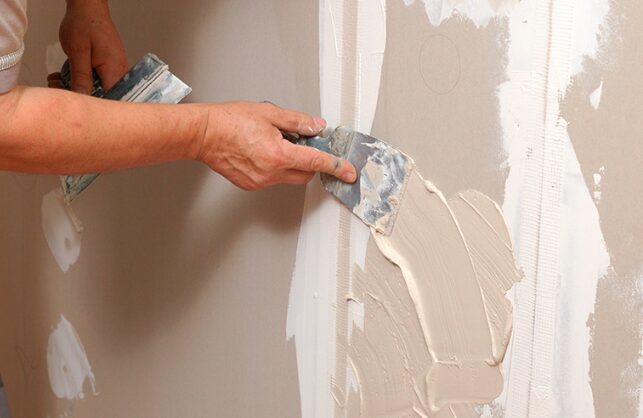
Depending on the type of damage, repairs may involve filling holes, patching sections, or applying joint compound. Multiple thin layers generally produce smoother results than a single thick application.
Step 4: Sand the Surface
Once the repair material has dried, sanding creates a level surface that blends with the surrounding wall.
Step 5: Apply Primer
Primer is a critical step in drywall paint repair. It seals the repaired area and helps ensure consistent paint absorption.
Step 6: Paint the Wall
The final step involves applying paint that matches the existing color and finish. Careful blending helps prevent visible transitions.
Common Mistakes to Avoid
Even small mistakes can affect the final appearance of a repair.
Skipping Primer
Without primer, repaired areas often absorb paint differently, creating visible patches.
Rushing Drying Times
Each layer of compound and paint needs adequate drying time. Rushing the process can lead to cracking or uneven finishes.
Poor Sanding
Insufficient sanding leaves ridges and bumps that become more obvious after painting.
Ignoring Underlying Issues
Effective drywall paint repair should address the root cause of the damage rather than simply covering it.
Maintaining Repaired Walls
After completing repairs, ongoing maintenance helps preserve the results.
Inspect Walls Regularly
Checking walls periodically allows you to identify minor issues before they become major problems.
Address Moisture Quickly
Promptly fixing leaks helps prevent future drywall damage.
Touch Up Small Imperfections
Repairing minor dents and scratches early can reduce the need for larger restoration projects later.
Conclusion
Successful drywall paint repair involves much more than applying a fresh coat of paint. By properly repairing drywall, preparing the surface, and using the correct painting techniques, homeowners can restore damaged walls and achieve a smooth, professional finish. Whether dealing with small dents, cracks, or larger areas of damage, quality drywall paint repair helps maintain attractive interiors and protects the long-term condition of your home.